欧洲表面上有几十个国家,中国号称的共产党领导下的大团结大和谐之国,但其实到底哪个更相个一个国家呢?
欧洲没有统一的语言,但很多人会说英语,你只要会基本的英语不管去哪个国家都不至于没办法,有的地方说英语的人确实很少,特别是一些小地方,但在这些地方找到个会说英语的人的概率和在中国小地方找到个说普通话的人概率其实是一样的。在中国,特别是中国南方农村,有时村东和村西的方言都可以是完全不一样的。
欧盟有欧元和英磅,中国有人民币,港币,澳门币,新台币。
欧盟人可以自由内部流动,任意定居工作,合法享受各种福利。并可自由前往中国香港,澳门和台湾。
中国人需申请前往香港澳门,不可个人前往台湾。
中国人不可自由在境内流动,虽不相朝鲜设有关卡,但警查可盘查甚至入户盘问,到了外地无法享受当地福利和教育,外地就业面临严重歧视,制度性歧视。
中国人存在严重的地域歧视。
比一比欧洲,中国真的不能算一个国家了。

2010年7月13日星期二
A片之父挂了
最近在TIME上看到了Gerard Rocco Damiano的悼文,才知道了这个名导演的传奇。
Gerard Rocco Damiano是美国上世纪七十年代成名的A片导演,准确的说是hardcoreA片的导演。我意外的是原来仅仅就在三十年前,人类社会还如此保守,据说当时第一部作品取名叫Deep throat,居然没人明白什么意思,街头的大妈听说了,竟还以为是拍长颈鹿的动物电影。。.
想想这些先驱是多么的伟大,没有他们,后来的男人们会少掉多少性福。
而没有A片,中国的男生在成长过程中会少掉多少回忆。。。
我特别喜欢那篇悼文的最后一句话
Sometimes it takes a smart softie to make a hardcore phenomenon.
Gerard Rocco Damiano是美国上世纪七十年代成名的A片导演,准确的说是hardcoreA片的导演。我意外的是原来仅仅就在三十年前,人类社会还如此保守,据说当时第一部作品取名叫Deep throat,居然没人明白什么意思,街头的大妈听说了,竟还以为是拍长颈鹿的动物电影。。.
想想这些先驱是多么的伟大,没有他们,后来的男人们会少掉多少性福。
而没有A片,中国的男生在成长过程中会少掉多少回忆。。。
我特别喜欢那篇悼文的最后一句话
Sometimes it takes a smart softie to make a hardcore phenomenon.
可悲的中国护照
今天看到欧盟已经准备给台湾护照免签待遇的新闻了,其实我很惊讶现在才给,英国和爱尔篮早就对台湾开放了,要偷渡的话这两个国家对亚洲人吸引力比大陆国家要大多了吧。
见网上有人在讨论,纷纷感叹,但重点是放在了中国政府在这件事的不作为上。
这是一个很奇怪的看法。你去别人家作客,你只要代上礼物,去了好好玩,别玩了不回来,人为什么不让你去呢?
其实现在出国玩的中国人,绝对是很多经济不振国家最受欢迎的人群之一,比如都喜欢住酒店,很少去hostel,购起物来眼都不眨,而且还都很老实,什么酒后斗殴,贩毒什么的很少有中国人,而且只要能拿到合法签证出国的非法滞留的可能性相当相当小,可中国护照还是世界上最不好使的护照之一.
其实你看看欧盟的免签国,洋洋洒洒一大页,还有很多南美国家,好多其实人均收入并不高,经济其实只是一方面原因。
这件事怪政府吗?当然怪,但不是怪她在这件事上不作为,而是她“领导”下中国日益增大的贫福差距。
当年波兰加入欧盟,在第一周里全国出境一百万人,如果欧盟现在对中国免签,中国会出境多少? 不敢想相。
就相现在日本和韩国对中国的个人签证一样,只要你能证实你是个大城市工作的“城里人”,基本都照签不误,
但他永远不会免签,因为中国人对自己人的压迫足以让天文数字的民工跑去外国打黑工。
想想中国底层百姓的生活和遭遇吧,他们是中国最辛苦的人却过着最惨的生活,这样的事绝不会发生在任何一个国家哪怕是非法移民身上。
除非天变了,否则中国人就会一直拿着基本没有“护照”功能的护照。
写到这想到最近的食品安全问题,网上基本上每天每月的都能看到各种食品黑作坊的曝光,地沟油,豆腐什么的,触目惊心,每一个中国人其实都是受害者。
但这又是谁造成的呢?
监管不力当然是原因,但是什么原因让那些人做出这种事呢?
有人说是没有信仰,我不认为。中国这么多非法移民,出国了也基本上做与饮食相关的行业,但却从来没出过什么黑作坊的事。仅仅是国外监管得力么?
在中国做这些食品的基本都是城市最底层的百姓,还是那句话,看看她们的生活,说猪狗不如都不是形容词,而只是一个事实描述,连他们的孩子都得不到最基本的生活资料和保护。你能指望他们做出多卫生的东西呢?
如果他们知道只要自己好好做,就能和家里人在这个城市里体面的生活下去,每天下了班还有空去PUB喝杯啤酒,周未还能休息,每年能渡个假,买东西的人见他就说你好,买完就说谢谢,还有多少人能做出什么都不管不顾的东西来呢
当一个社会缺乏对人最基本的尊重,又怎么能指望人能尊重这个社会呢?
所以还是那句话,你可以不关心政治,但政治却在时时刻刻的关心你。
见网上有人在讨论,纷纷感叹,但重点是放在了中国政府在这件事的不作为上。
这是一个很奇怪的看法。你去别人家作客,你只要代上礼物,去了好好玩,别玩了不回来,人为什么不让你去呢?
其实现在出国玩的中国人,绝对是很多经济不振国家最受欢迎的人群之一,比如都喜欢住酒店,很少去hostel,购起物来眼都不眨,而且还都很老实,什么酒后斗殴,贩毒什么的很少有中国人,而且只要能拿到合法签证出国的非法滞留的可能性相当相当小,可中国护照还是世界上最不好使的护照之一.
其实你看看欧盟的免签国,洋洋洒洒一大页,还有很多南美国家,好多其实人均收入并不高,经济其实只是一方面原因。
这件事怪政府吗?当然怪,但不是怪她在这件事上不作为,而是她“领导”下中国日益增大的贫福差距。
当年波兰加入欧盟,在第一周里全国出境一百万人,如果欧盟现在对中国免签,中国会出境多少? 不敢想相。
就相现在日本和韩国对中国的个人签证一样,只要你能证实你是个大城市工作的“城里人”,基本都照签不误,
但他永远不会免签,因为中国人对自己人的压迫足以让天文数字的民工跑去外国打黑工。
想想中国底层百姓的生活和遭遇吧,他们是中国最辛苦的人却过着最惨的生活,这样的事绝不会发生在任何一个国家哪怕是非法移民身上。
除非天变了,否则中国人就会一直拿着基本没有“护照”功能的护照。
写到这想到最近的食品安全问题,网上基本上每天每月的都能看到各种食品黑作坊的曝光,地沟油,豆腐什么的,触目惊心,每一个中国人其实都是受害者。
但这又是谁造成的呢?
监管不力当然是原因,但是什么原因让那些人做出这种事呢?
有人说是没有信仰,我不认为。中国这么多非法移民,出国了也基本上做与饮食相关的行业,但却从来没出过什么黑作坊的事。仅仅是国外监管得力么?
在中国做这些食品的基本都是城市最底层的百姓,还是那句话,看看她们的生活,说猪狗不如都不是形容词,而只是一个事实描述,连他们的孩子都得不到最基本的生活资料和保护。你能指望他们做出多卫生的东西呢?
如果他们知道只要自己好好做,就能和家里人在这个城市里体面的生活下去,每天下了班还有空去PUB喝杯啤酒,周未还能休息,每年能渡个假,买东西的人见他就说你好,买完就说谢谢,还有多少人能做出什么都不管不顾的东西来呢
当一个社会缺乏对人最基本的尊重,又怎么能指望人能尊重这个社会呢?
所以还是那句话,你可以不关心政治,但政治却在时时刻刻的关心你。
2010年7月10日星期六
成都熊猫
我第一次也是唯一一次在成都体会到nightclub的快感就是两年前在成都,虽然全场只有十几个人,但是不管从音乐,还是跳舞的人,还是那种VIBE,都已足够在成都这种地方显得太过超前。
从十二点疯跳到三四点,还遇到了在北京玩white rabbit的人,太巧了。
遗憾的是,此后两次回成都,却发现成都这唯一一个CLUB却连十几个人都凑不够了,其它的地方,都是典型的中国所谓慢摇吧,也就是贵点的大排档而已。
所以今天在gochengdoo看到这样的REVIEW,难免遗憾,谁不希望家乡好呢。。
Reviews
MajorMafanSaturday, 29th May 2010
Basically that place is dying, thanks to the new owners. It breaks my heart to see Chengdu's only club with ok sound & dancefloor to be taken over by a bunch of tasteless douches. Oh and the drinks are horrible.
另外在这网上还惊奇的发现成都有个叫HEMP HOUSE 的地方,真不知道是怎么通过审批的,不过工商局的大妈们估计也不会知道这些。。。虽然我在成都从没遇到过stoner,但希望下次回去这个地方能丰富下我的过年生活。。。
从十二点疯跳到三四点,还遇到了在北京玩white rabbit的人,太巧了。
遗憾的是,此后两次回成都,却发现成都这唯一一个CLUB却连十几个人都凑不够了,其它的地方,都是典型的中国所谓慢摇吧,也就是贵点的大排档而已。
所以今天在gochengdoo看到这样的REVIEW,难免遗憾,谁不希望家乡好呢。。
Reviews
MajorMafanSaturday, 29th May 2010
Basically that place is dying, thanks to the new owners. It breaks my heart to see Chengdu's only club with ok sound & dancefloor to be taken over by a bunch of tasteless douches. Oh and the drinks are horrible.
另外在这网上还惊奇的发现成都有个叫HEMP HOUSE 的地方,真不知道是怎么通过审批的,不过工商局的大妈们估计也不会知道这些。。。虽然我在成都从没遇到过stoner,但希望下次回去这个地方能丰富下我的过年生活。。。
Top10 Tourist Must-See&Do in Beijing
OK, I decide to share my top 10 list about what to see&do in Beijing, I believe it beats all the other travel guides about Beijing on the internet.
北京旅游十大景点:
#10 Drinking in Summer Palace:
One of the few places in Beijing to escape the mass(during weekdays!!),it's so beautiful that I've visited it for more than ten times. When you rent a boat and stay in the centre of Kunming lake you can feel so peace that you can't believe you're in an insanely packed city.
And of course, you're in a country without any actually laws about alcohol use, just bring your own chilled beer and enjoy yourself.
Why you have to bring alcohol? because this is what the emperor did 100 years ago, or how could he ever bother to build such a lake:-)

北京旅游十大景点:
#10 Drinking in Summer Palace:
One of the few places in Beijing to escape the mass(during weekdays!!),it's so beautiful that I've visited it for more than ten times. When you rent a boat and stay in the centre of Kunming lake you can feel so peace that you can't believe you're in an insanely packed city.
And of course, you're in a country without any actually laws about alcohol use, just bring your own chilled beer and enjoy yourself.
Why you have to bring alcohol? because this is what the emperor did 100 years ago, or how could he ever bother to build such a lake:-)

#9 Get in Propaganda for free
A club owner once told me: the only reason for most club's success is people don't have choices. and Propaganda gives you the perfect example, crappy music, fake booze,people keep shaking fucking dice other than dancing, but it's pratically the only club in that area with a population more than 3million...so it's one of the few nightclubs in Beijing that you actually need to quene to get in especailly on weekends.
And the point about this spot is if you're white people you can get in completely free even on important date, while all the Chinese men need to pay a 100rmb note,and what will surprise you is all the Chinese looks perfectly fine about it.What's going on here? how can people tolerate this place in Beijing? I really don't know. people keep asking me do i think we chinese are too nationlisitc? not really , just check out Propaganda...
A club owner once told me: the only reason for most club's success is people don't have choices. and Propaganda gives you the perfect example, crappy music, fake booze,people keep shaking fucking dice other than dancing, but it's pratically the only club in that area with a population more than 3million...so it's one of the few nightclubs in Beijing that you actually need to quene to get in especailly on weekends.
And the point about this spot is if you're white people you can get in completely free even on important date, while all the Chinese men need to pay a 100rmb note,and what will surprise you is all the Chinese looks perfectly fine about it.What's going on here? how can people tolerate this place in Beijing? I really don't know. people keep asking me do i think we chinese are too nationlisitc? not really , just check out Propaganda...

#8 Xizhimeng Tranfer station
我每次路过西直门唯一做的事情就是骂娘,这是一帮多么脑C,不负责,恶心的人搞出来的东西,这也是我们的下场,对城市建设没有一点发言权,只能由着一帮SB乱来。
听说他们现在又打算把它改造点好走点,不知道,反正自从上次我三上三下花了十五分钟才走完13到2的路后,我就决定再不走那过受那气了。。。
and also, you can check out one of the most complicate overpass bridges in the world,if you don't think so , try to make a right turn when you're heading east!

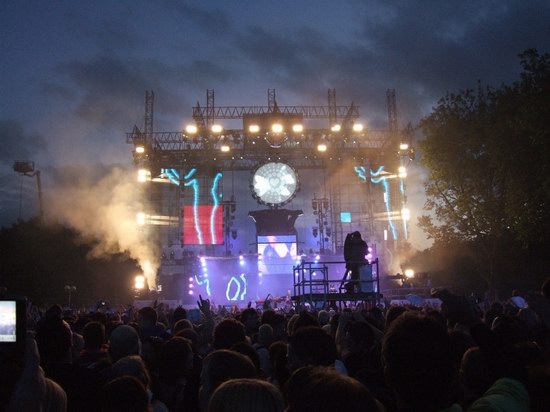
#7 Dancing in 798
798 is already a must see in Beijing. and what's more interesting is the regular dancing party over there, especailly the annual intro electronic music festival, it's just the best dancing festival in China,
#6 Visit Tangjialin&Shangfangcun
If you want to know the other side of China which the media in China almost never give a shit , then just go check out tangjialin and shangfangcun .
Tangjialin is where many of the college graduates live, or not live, survive. but they're still way too far from the most fucked people in China. yes, if you think people live in this kind of place is already so fucked, they can tell you at least they still have a way too much better life than some other chinese...

and when it comes to Shangfangcun, it might be the whole city. although there're certain places you can go to see all the petitioners at one time, you're more likely to be scared away by all the police cars on your way.


#5 Provincal representative offices
"Beijing’s Maison Boulud is arguably China’s best western restaurant, Shanghai offers far better international options, especially lower priced spots. But if you’re looking for all styles of Chinese food, you’ll do no better than coming to Beijing" from A Moderm LeiFeng.
Every single Provices and cities in China have their representative office in Beijing, most of them provide the best food from their area, it makes beijing the best city when it comes to Chinese food.
my faverite: 川办,新疆巴州办!!
#4 Partying at Great Wall
Great wall is just a fucking old wall. There are really not many points to be there. But in term of partying, it's the best place in China. it has a vibe you can find nowhere else in the world.I think you can imagine...
#3#2#1 日后在写
The Greatest Soccer Player , Ever, Rivaldo!

今天无意中又在youtube中点进去看了RIVALDO当年打VALENCIA那场比赛,又一次差点泪奔。。。
在那场比赛之前就已经迷了他三年了,追着他也看了三年,甚至踢球射门都从右脚练成了左脚,那场比赛直接把我对他的迷恋带向了最高点,也害我如今看哪个球员都觉得差几条街看不下去。。。
除去感情因素,这个帽子戏法无论从重要性,对手的重视度,时间点,精采程度任何一方面来讲,个人认为都可算作史上最牛比的一个帽子戏法。
所以我觉得我有时还是很幸运的,至少在电视上经历过那个疯狂的夜晚。
转一篇当年卫报上的文章,于我心有七七烟
On Second Thoughts: Rivaldo
A common, if slightly cringeworthy, observation of pundits in this country is that, if you could marry British will with continental skill, you would have the perfect footballer. Such a mixed recipe was thrillingly in evidence in Diego Maradona. Since then, however, perhaps only Rivaldo has fused the two qualities. Yet when we discuss soccer's AM (After Maradona) greats, Zinedine Zidane invariably comes out on top, with Rivaldo well back among the pack. While it would be dubious to argue that Rivaldo was a better technician than Zidane, it is arguable that, if you took everyone playing at the absolute peak of their game, Rivaldo was the best and most unstoppable footballer since Maradona.
Yet despite his bona fide, bandy-legged genius, he is to some extent forgotten, still ploughing on with the Greek travesty that is the lingering death of a genuinely great career at clubs as irrelevant to the bigger picture as Olympiakos and AEK Athens. It is potentially anomalous to argue that a former World Player of the Year was underrated, yet even at his peak Rivaldo often played under a cloud. He was frequently abused while playing for Brazil, whose fans believed he spared his best for Barcelona and who had never forgiven him for a crucial mistake in the 1996 Olympics; at club level he inspired both awe and loathing on La Rambla, and his departure on a free transfer in 2002 was mourned by few, even though he had just starred in Brazil's World Cup win.
That summer, the Spanish football expert John Carlin wrote that Rivaldo "combines to dazzling effect the two essential qualities of the ideal footballer: artistry and efficiency". The same could not necessarily be said of Zidane. Sir Alex Ferguson once observed that Zidane didn't really "hurt" teams and, while it sounded sacrilegious, there was a degree of truth in it. In terms of ball retention he was probably the greatest player of all time, blessed with such grace and supernatural awareness that he could play a game of real-life Pac-Man and never be caught, but to some extent his work was done in less dangerous areas. He needed good players alongside him.
A team of 11 Zidanes would kill you time and time again, but a team of 10 Nevilles and a Rivaldo could on occasion do the same. Zidane was an avant-garde footballer, as rich in subtext as it is possible for a sportsman to be, whereas Rivaldo was a rudimentary blockbuster. Yet the suspicion remains that some appreciate Zidane without knowing exactly what they're appreciating; that they are perpetuating a discourse for fear of being seen as a philistine. Nobody wants to admit that they thought Citizen Kane was crap.
The cerebral genius of Zidane, nonetheless, makes him the ultimate fantasy footballer, whereas Rivaldo was the ultimate Fantasy Footballer: he dealt relentlessly in the hard currency of goals (86 in 159 games for Barcelona and 34 in 74 for Brazil, outstanding for a player who invariably played on the left) and assists. And if there were another category by which we judged players – coronaries induced in opposing fans when they get the ball within 30 yards of goal – he would surely be top. When he was on one, he was utterly terrifying.
Apart from a right foot, Rivaldo had everything. His wiry strength allowed him to bounce off defenders, he was a outstanding dribbler, and he had a left foot that was both educated and thuggish, subtle and a sledgehammer. He could larrup the ball in, arrow a daisy-cutter a few centimetres inside the far post (the winner against Denmark in the 1998 World Cup quarter-final is the best example, but there were so many), coax a free-kick high or low, left or right, and also pass the ball in (my colleague Mike Adamson pointed out how underrated the precision of his finish against England in 2002 remains). And his control – best exemplified by a stunning, über-Le Tissier assist against Deportivo in 2002 (after 5.00 of this video) – was sensational.
Most of all, however, he had bronca, the word used repeatedly in Diego Maradona's autobiography to refer to "anger, fury, hatred, resentment, bitter discontent ... [it was] his motivator, his fuel, his driving force". Zidane had rage blackouts, but he was rarely in a high state of bronca: for the most part, as we saw in his movie, he was a wonderfully still footballer, whose game existed in a vacuum of technical perfection, such as the volley in the 2002 Champions League final. But he could not win a game on his own by imposing his personality all over it. Rivaldo could.
Rivaldo often looked apathetic and sullen – his smile was so rare that, when it came, it broke a thousand mirrors, and at times he seemed to dither like a posh boy pretending to have commitment issues – but when the mood took him and he fancied the challenge, he pursued it with the remorseless will and purpose of Javier Bardem in No Country For Old Men. "You know how this is gonna turn out, don't you?"
Three examples spring to mind. There was his coconut-shy at an inspired Paul Robinson in a Champions League group game against Leeds in 2000, when Rivaldo finally equalised in the last minute to (temporarily) postpone Barcelona's exit; an astonishing tour de force against Manchester United in 1998 when, in a game Barcelona had to win to avoid elimination, he equalised twice before creaming an unbelievable shot off the bar and ingeniously creating another gilt-edged chance for Giovanni; but best of all there was the greatest hat-trick of all time, against Valencia on June 17, 2001, a midsummer night's dream of a performance that deserves a book, a film and even a Tim Lovejoy tribute all of its own.
In a straight shoot-out for the final Champions League place, which was worth tens of millions and even more in terms of pride, Barcelona needed a win and Valencia a draw. Twice Rivaldo screamed Barcelona ahead from long range, the second hit with such fury that it knocked him off his feet; twice Ruben Baraja equalised. Then, in the 89th minute, he scored with an overhead kick from outside the box so perfectly executed that it even swerved away from the dive of Santiago Canizares. Even now, it beggars belief.
Rivaldo also scored eight goals in two World Cups – including five in consecutive games in 2002 – and two in a Copa America final (in 1999, when he was voted Player of the Tournament). So why is he not in the pantheon? The slow fade of his career does not help: he has been in Greece since 2004, when he almost ended up at Bolton. Nor does a disastrous 18 months at Milan, during which he was even voted Serie A's worst player. Or the fact that he seemed to be the mardiest of bums.
He doesn't win on longevity, either: for most his peak lasted the five years he was at the Nou Camp, even if he played superbly for three years at Palmeiras and Deportivo before that. And he was rarely involved in the latter stages of the Champions League, but that was mainly the fault of a typical Louis van Gaal defence. Rivaldo was absolutely beyond reproach in the early exits in 1998 and 2000 in particular.
Yet much of the enmity towards him stems from his pitiful cheating at the 2002 World Cup, when he got Turkey's Hakan Unsal sent off. It was shocking stuff – described by Richard Williams in this paper as "an act so despicable that it deserves to rank alongside Toni Schumacher's assault on Patrick Battiston in 1982 and even the Hand of God itself in the tournament's gallery of infamous moments" - but, as Slaven Bilic could tell you in four languages, disgracing oneself in a World Cup match is not a barrier to widespread popularity.
Yet with Rivaldo, the deception seemed to reflect a personality defect so prevalent that one Spanish writer said he had "a kind of autism". He had the hapless air of a noir patsy, and seemed forever hit by ill-fortune. Those two awesome performances against the Uniteds of Leeds and Manchester meant bugger all in the end. When he was enduring the worst time of his life in Milan, his wife Rose left him. If he had a family pet, you just know he'd have reversed over it.
He was essentially clueless: whereas Zidane's headbutt on Marco Materazzi was impossibly cool, Rivaldo's act of World Cup skulduggery was hideously ham-fisted. For that he was reviled as a typical continental (even though, in reality, British players dive as much as anyone), but with the ball at his feet not even the most nationalistic stereotyper would deny that he gave us the best of all worlds.
简单的道理
我最喜欢这样的文字,用最平淡的语言组织起你最熟悉的事,讲一个你懂但很少反复提醒自己的道理。就相那本the emperor of lies一样是我最喜欢的书之一。
Jul 6, 2010
Xie Xie and Zaijian
from Beijing Calling by The Fragrant Harbour
1 person liked this - you
Today is my last day in Beijing.
It's my last day living in the Chinese capital after three years, two months and about three weeks.I came here in April 2007 eager to have a greater understanding of the country and to find out if it really is going to be the next superpower.
When you first arrive, you are impressed by what it has achieved so far and think it has so much potential to be greater.
The people in general are good, honest folk, but their lack of common sense and basic skills can lead to frustration. Just go to any restaurant and flagging down a fuwuyuan or waitstaff is a test in patience, as they'd rather ignore you.
The newly-constructed buildings look shiny and sleek, but after a few years they are still unoccupied, or look run-down due to the low-quality building materials or lack of management.
And then you begin to see the numerous contradictions in the country, like how in the constitution people have the right to petition the central government and many make the journey to Beijing. But once they get to the capital, they are whisked away and thrown into "black jails" where they are illegally held for days, months, weeks before being sent back to their hometowns.
People spend their hard-earned money to buy an apartment, only to have it confiscated later by government officials who have sold the land to developers in return for kickbacks. The developers take over these properties by cutting off the gas, water, electricity, and then even sending thugs to beat up the so-called owners of the place.
While the country's GDP was at double digits for several years until last year at 8 percent, and holds some $2 trillion in US Treasury bills, these mind-boggling numbers do little justice in explaining the real situation in China.
The income gap between the rich and the poor is staggering to see in person. The Liu family living on the border between Beijing and Hebei Province at the Simatai section of the Great Wall live the simple farmer lifestyle, waking up with the sun, tilling the dry patch-work fields and eating mostly vegetable dishes before going to bed early.
Meanwhile the uber rich have no qualms ordering everything expensive on the menu, force each other to drink baijiu and smoke up a storm before leaving behind several dishes barely touched. They also think they own the road, especially when they drive SUVs.
How the wealthy gain their riches is an interesting mystery, while how the majority of the population scrape by on a few thousand RMB a month is another.
There's no question that people's lives have improved significantly in the past 30 years, but at what cost? Rivers and lakes are so polluted that "cancer villages" are springing up near these water sources. Climate change has also resulted in dried up river and lake beds that decades earlier were teeming with fish.
It seems like Beijing has a strong consumer culture -- people buying up all kinds of things from clothing to cars, everyone carrying at least one shopping bag.
There is so much noise pollution, hypnotically telling people to buy more stuff, or on-going public service announcements that are so vague they hardly mean anything.But this is the way the government wants things to be run -- it doesn't want its people to know too much or to think they deserve more.
It continues its mantra that China is a big country and so managing it is a big task.However, when you look at it, the Communist Party of China has had over 60 years of experience in governing the vast country and the world's largest population.
One would have thought that by now it would know how to administer the place in an efficient and effective manner.But the only way the CPC knows how to do this is mostly by force.
This was seen in how Tibet and the Xinjiang Uighur Autonomous Region were governed and these two areas in particular continue to see repression. Instead of trying to understand and integrate cultural differences in policy, the Chinese government believes economic development will create harmony.
Ah a harmonious society. Practically everyone I know here mocks President Hu Jintao's slogan. How can there be harmony when there is such a discrepancy between the rich and the poor, environmental degradation, a persistent consumer culture and lack of respect of people's rights?
It's really all about the Party. It's not about improving the welfare of the people or creating a better environment. It's about preserving the Party's power. At any cost.
Which is why it was reported today that best-selling author Yu Jie was taken by police for questioning on Monday. They threatened to imprison him if he continued with his plans to publish a book criticizing Premier Wen Jiabao.They warned him that Wen was no ordinary citizen and that the book, China's Best Actor: Wen Jiabao would harm state security and national interests, which could lead to a prison sentence similar to rights activist Liu Xiaobo.
"People cannot tell the truth," a friend remarked to me the other day over lunch. "If you do, you get into trouble."
But some believe it is important to forgo all personal consequences and try to tell the truth for the sake of the greater society.Tan Zuoren was jailed for five years for trying to help those who lost their children in the Sichuan earthquake almost two years ago; and Liu for 11 years for helping to write the Charter 08, calling for multi-party elections among many things.
And there is also Gao Zhisheng, the human rights lawyer who was detained by police, illegally I may add, and then released, and now detained again and no one knows where he is.
The government is terrified of these people -- scared of them for saying that the emperor has no clothes on.
But it is true. How can there be any civil society in China when basic human rights are ignored, and actually trampled on? How can China ever become a great power when it cannot stand dissent or criticism?
Meanwhile we in the west cannot compare China to ourselves -- it must find its own way in establishing a just society, and looking back at its past can give it some inspiration.
So on this note I bid zaijian.Thank you Beijing for teaching me a lot of things about China I didn't know.
The country is still a work in progress and hopefully the Party leaders will make the right choices for the people.
After all, it is the People's Republic of China.
Jul 6, 2010
Xie Xie and Zaijian
from Beijing Calling by The Fragrant Harbour
1 person liked this - you
Today is my last day in Beijing.
It's my last day living in the Chinese capital after three years, two months and about three weeks.I came here in April 2007 eager to have a greater understanding of the country and to find out if it really is going to be the next superpower.
When you first arrive, you are impressed by what it has achieved so far and think it has so much potential to be greater.
The people in general are good, honest folk, but their lack of common sense and basic skills can lead to frustration. Just go to any restaurant and flagging down a fuwuyuan or waitstaff is a test in patience, as they'd rather ignore you.
The newly-constructed buildings look shiny and sleek, but after a few years they are still unoccupied, or look run-down due to the low-quality building materials or lack of management.
And then you begin to see the numerous contradictions in the country, like how in the constitution people have the right to petition the central government and many make the journey to Beijing. But once they get to the capital, they are whisked away and thrown into "black jails" where they are illegally held for days, months, weeks before being sent back to their hometowns.
People spend their hard-earned money to buy an apartment, only to have it confiscated later by government officials who have sold the land to developers in return for kickbacks. The developers take over these properties by cutting off the gas, water, electricity, and then even sending thugs to beat up the so-called owners of the place.
While the country's GDP was at double digits for several years until last year at 8 percent, and holds some $2 trillion in US Treasury bills, these mind-boggling numbers do little justice in explaining the real situation in China.
The income gap between the rich and the poor is staggering to see in person. The Liu family living on the border between Beijing and Hebei Province at the Simatai section of the Great Wall live the simple farmer lifestyle, waking up with the sun, tilling the dry patch-work fields and eating mostly vegetable dishes before going to bed early.
Meanwhile the uber rich have no qualms ordering everything expensive on the menu, force each other to drink baijiu and smoke up a storm before leaving behind several dishes barely touched. They also think they own the road, especially when they drive SUVs.
How the wealthy gain their riches is an interesting mystery, while how the majority of the population scrape by on a few thousand RMB a month is another.
There's no question that people's lives have improved significantly in the past 30 years, but at what cost? Rivers and lakes are so polluted that "cancer villages" are springing up near these water sources. Climate change has also resulted in dried up river and lake beds that decades earlier were teeming with fish.
It seems like Beijing has a strong consumer culture -- people buying up all kinds of things from clothing to cars, everyone carrying at least one shopping bag.
There is so much noise pollution, hypnotically telling people to buy more stuff, or on-going public service announcements that are so vague they hardly mean anything.But this is the way the government wants things to be run -- it doesn't want its people to know too much or to think they deserve more.
It continues its mantra that China is a big country and so managing it is a big task.However, when you look at it, the Communist Party of China has had over 60 years of experience in governing the vast country and the world's largest population.
One would have thought that by now it would know how to administer the place in an efficient and effective manner.But the only way the CPC knows how to do this is mostly by force.
This was seen in how Tibet and the Xinjiang Uighur Autonomous Region were governed and these two areas in particular continue to see repression. Instead of trying to understand and integrate cultural differences in policy, the Chinese government believes economic development will create harmony.
Ah a harmonious society. Practically everyone I know here mocks President Hu Jintao's slogan. How can there be harmony when there is such a discrepancy between the rich and the poor, environmental degradation, a persistent consumer culture and lack of respect of people's rights?
It's really all about the Party. It's not about improving the welfare of the people or creating a better environment. It's about preserving the Party's power. At any cost.
Which is why it was reported today that best-selling author Yu Jie was taken by police for questioning on Monday. They threatened to imprison him if he continued with his plans to publish a book criticizing Premier Wen Jiabao.They warned him that Wen was no ordinary citizen and that the book, China's Best Actor: Wen Jiabao would harm state security and national interests, which could lead to a prison sentence similar to rights activist Liu Xiaobo.
"People cannot tell the truth," a friend remarked to me the other day over lunch. "If you do, you get into trouble."
But some believe it is important to forgo all personal consequences and try to tell the truth for the sake of the greater society.Tan Zuoren was jailed for five years for trying to help those who lost their children in the Sichuan earthquake almost two years ago; and Liu for 11 years for helping to write the Charter 08, calling for multi-party elections among many things.
And there is also Gao Zhisheng, the human rights lawyer who was detained by police, illegally I may add, and then released, and now detained again and no one knows where he is.
The government is terrified of these people -- scared of them for saying that the emperor has no clothes on.
But it is true. How can there be any civil society in China when basic human rights are ignored, and actually trampled on? How can China ever become a great power when it cannot stand dissent or criticism?
Meanwhile we in the west cannot compare China to ourselves -- it must find its own way in establishing a just society, and looking back at its past can give it some inspiration.
So on this note I bid zaijian.Thank you Beijing for teaching me a lot of things about China I didn't know.
The country is still a work in progress and hopefully the Party leaders will make the right choices for the people.
After all, it is the People's Republic of China.
订阅:
博文 (Atom)